Gaming is fun, immersive, and competitive- but the marathon gaming sessions can take a toll on the eyes. Symptoms of digital eye strain can include dry eyes, blurred vision, and discomfort.
The good news is, gamers can combat gaming eye strain with simple steps. These steps include performing eye exercises, taking regular breaks, adjusting screen settings, and eating foods that help prevent eye strain.
Stretching
Gaming marathons can be fun and immersive but they can also lead to pain, discomfort, and blurred vision. The repetitive hand movements and hours of sitting can cause tightness in the muscles in the back, neck, shoulders, wrists, and hands. Regular gaming stretching exercises can help reduce pain and prevent long-term injuries.
Video game stretching exercises are simple and easy to incorporate into your daily routine. These stretches will improve posture, reduce eye strain, and increase your gaming endurance. Start by standing up and moving around for a few minutes. This will get your blood flowing and loosen up the tight muscles in your upper body, lower body, and hands. Then, perform the following gaming stretches to prevent injuries and boost your gaming performance.
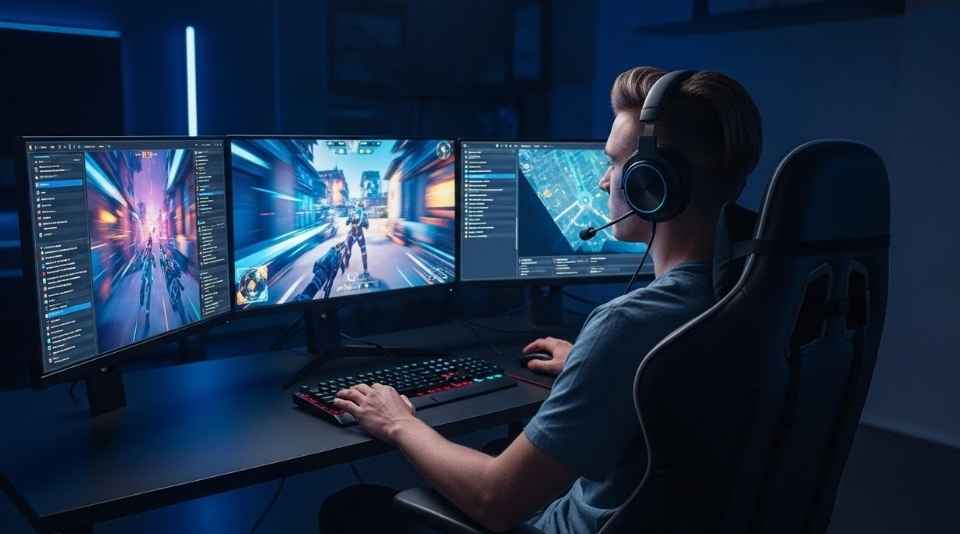
While playing video games, your eyes are constantly focused on the monitor(s) in front of you. These monitors are generally within 24 inches of your face. This small area space makes the extraocular muscles work harder, especially when searching for enemies and tracking their movements. The ciliary muscles are also working hard as they continuously move the lens and pupil to adjust for different light levels.
Long gaming sessions reduce your natural blinking, which can further contribute to eye strain and dry eyes. The levator palpebrae superioris muscle (which opens your eye lids) and the orbicularis oculi muscles (which close your eyes) are both inhibited by prolonged gaming which can lead to eye strain.
The good news is, you can protect your eyes and prevent gamer’s eye strain by taking frequent breaks and using a screen protector and anti-reflective glasses to reduce glare. You can also try to reduce your gaming session duration or play in low-light settings to limit blue light exposure.
Make sure to have regular eye exams at Botwin Eye Group / Oculus Optical to detect signs of digital strain early and explore protection options like lens coatings and tints that are specifically designed for gamers. By practicing healthy gaming habits, you can protect your eyes and continue enjoying the immersive world of video gaming for years to come.
Mini-Breaks
Gamers are prone to eye strain because their eyes work overtime during gaming sessions. The movement, dynamic graphics, and fast-moving visuals require intense focus to follow, respond to, and zoom in on finer details. When a player continues to play without proper lighting, screen adjustments, or frequent breaks, it can lead to discomfort, blurred vision, and even long-term damage to the corneas.
The good news is that short gaming breaks can be a powerful productivity booster, improving concentration and efficiency when employees return to work. In fact, many forward-thinking companies are using gaming as part of their employee wellness programs by offering a variety of games to choose from during breaks. Employees can select their favorite game or play a quick puzzle challenge to recharge and get back to work.
Game breaks are not only effective for reducing eye strain, but they’re also fun and engaging. The mini-wins and satisfaction of accomplishment that come with gaming can boost mental energy, which in turn improves performance. In addition, the games often encourage teamwork and social interaction—both of which are valuable skills in high-pressure business environments.
A well-timed gaming break can even help reduce stress and anxiety before an important meeting or client pitch. For example, a team can break up an intensive brainstorming session by playing a five- to ten-minute game that challenges everyone’s problem-solving skills and creativity.
To avoid gaming eye fatigue, players should follow the 20-20-20 rule and look away from their screens at least 20 feet (6 meters) and for 20 seconds every hour. They should also make sure their chairs are comfortable, the screen is at an appropriate distance and angle, and they drink plenty of water to stay hydrated. Additionally, gamers should seek regular eye exams to ensure their eyes are healthy and their vision is at its best. An optometrist can recommend the right protective eyewear, including blue light gaming glasses and computer monitor lenses, as well as help gamers find ergonomic gear and a healthy screen time routine that will keep their eyes comfortable, focused, and sharp for years to come.
Mini-Sleeps
Gamers may not realize how important sleep is to their health. Research has shown that gaming is associated with poor sleep quality. Poor sleeping habits can lead to serious health problems. Gaming for prolonged periods of time can also cause eye strain and other problems with the body.
In one study, medical students who were heavily involved in internet gaming had lower sleep efficiency and used sedatives more frequently than non-gamers. This was attributed to the effects of excessive gaming on the secretion of the sleep-promoting hormone, melatonin.
Sleep expert Greer recommends gamers use the bedroom for restful activities and not as an area to play video games or other electronic devices. She says gamers should also spend time outdoors for exposure to natural light, which is good for both the eyes and the muscles. She also suggests gamers wear a pair of Theragun-brand wristbands, which are designed to provide massage therapy to the lower back, hips and shoulders, areas that take a beating during long gaming sessions.
This is the first meta-analysis to quantify the relationship between problematic gaming and multiple sleep parameters. However, the majority of the included studies were cross-sectional and only 13 of 34 reported an adjusted estimate of the relationship between problematic gaming and sleep outcomes. In addition, all but one of the included studies relied on self-reporting of sleep. This could introduce response bias, especially socially desirable responding.
Healthy Eating
A healthy diet is vital for gamers, who may spend hours in front of a computer screen, often in isolation from other people. Irregular eating habits can lead to weight changes and problems with body composition, while unhealthy foods can cause digestive issues, mood swings and irritability. Poor nutrition also contributes to low energy levels, which can affect gaming performance.
Taking a break to stretch, or even just move around, can improve blood flow and decrease stiffness. A good rule of thumb is to get up and move around at least once an hour during gaming sessions. Gamers who hunch over or slouch while playing are at risk of developing carpal tunnel, neck pain, and back pain. It’s important to use a gaming chair that promotes healthy posture, and to make daily activity a priority.
When gaming, it’s easy to ignore signals from your body that you’re hungry or thirsty. This can lead to dehydration, which can negatively impact gaming performance by causing headaches, blurry vision and fatigue. Gamers should keep a water bottle within reach and take small sips throughout the gaming session. It’s also a good idea to avoid sugary drinks and energy drinks, as they can contribute to jitteriness that can interfere with gaming precision.
Adding in nutrient-rich snacks can help gamers stay fueled and energized while gaming. For example, a smoothie made of bananas, spinach, flax seed and peanut butter provides a healthy combination of protein, carbohydrates and fats, as well as many vitamins and minerals. Other healthy gamer snacks include hummus, turkey meat roll-ups and whole grain tortilla chips. Avocados and guacamole are other tasty healthy snack options for gamers, particularly those who are not allergic to nuts or seeds.
Aside from incorporating the above health tips, gamers can improve their gameplay by setting limits on how long they play each day and week and sticking to them. They should also practice healthy sleep habits, ensuring that they get at least seven to eight hours of uninterrupted sleep per night. Getting enough rest will allow gamers to maintain their focus and improve their reaction times, which can make them better gamers.